Google has confirmed a limited experiment that lets exact and phrase match keywords serve text ads in AI Mode when the query carries explicit, direct intent. For a business already paying for Search campaigns, the useful question is whether its assumptions about where ads can appear still hold.
This is not a confirmed general rollout across Canada. It does not establish better conversion rates, and it is not an organic ranking update. The immediate response should be an account review with the person managing your campaigns, not a rushed increase in spend.
What Google confirmed, and where the evidence stops
In a public reply to practitioner Anthony Higman, Google's Ads Liaison Ginny Marvin confirmed exact and phrase match text-ad eligibility for direct-intent cases in AI Mode. She distinguished that from the more complex conversational intent and newer formats supported by AI Max and Performance Max for Search.
Barry Schwartz's September 4 report also records Marvin's direct confirmation that this is a small experiment. The public confirmation does not specify a Canadian launch date, the proportion of accounts included or an experiment end date. A practitioner seeing delivery in several campaigns is useful evidence of the test, not proof that every advertiser has it.
There is older context worth keeping separate. Google's May 20 announcement introduced tests of Conversational Discovery ads and Highlighted Answers, with sponsored labelling and AI-generated explanatory context. That announcement is not the September exact/phrase experiment, nor does it establish that each format is available in every Canadian account.
A keyword setting is not a complete placement description
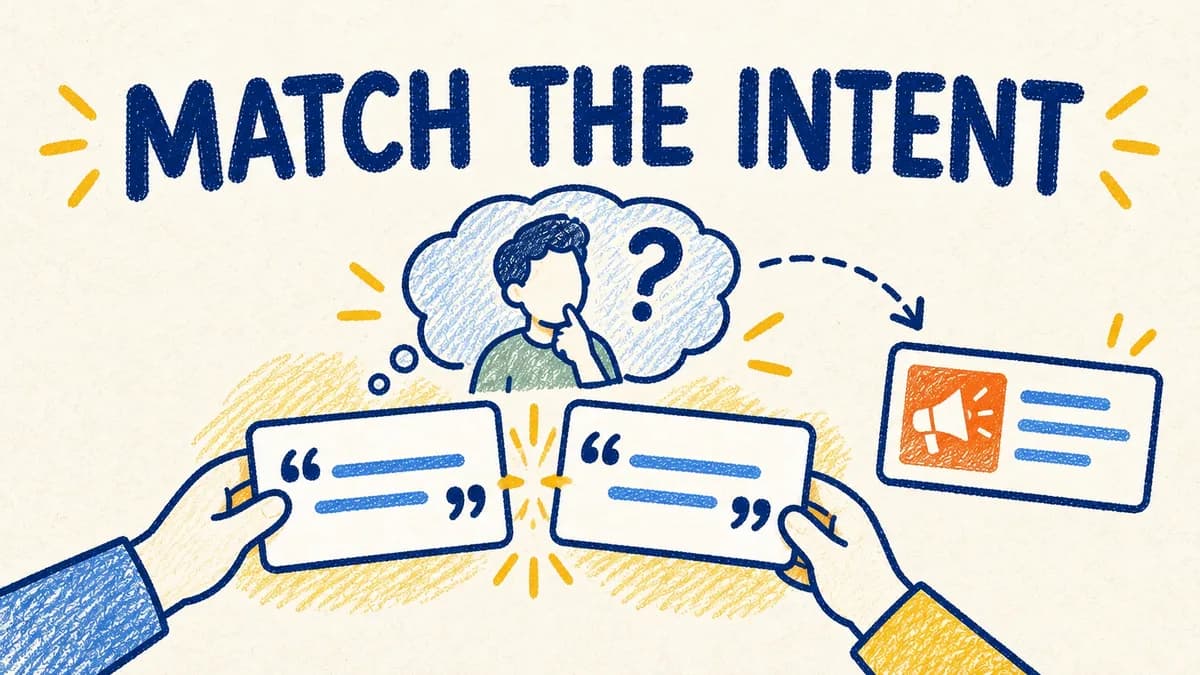
Keyword matching and ad placement answer different questions. Matching concerns which searches can qualify for an ad. Placement concerns where the resulting ad is shown. This experiment matters because a team may have treated restrictive match types as sufficient evidence that it was avoiding conversational search inventory.
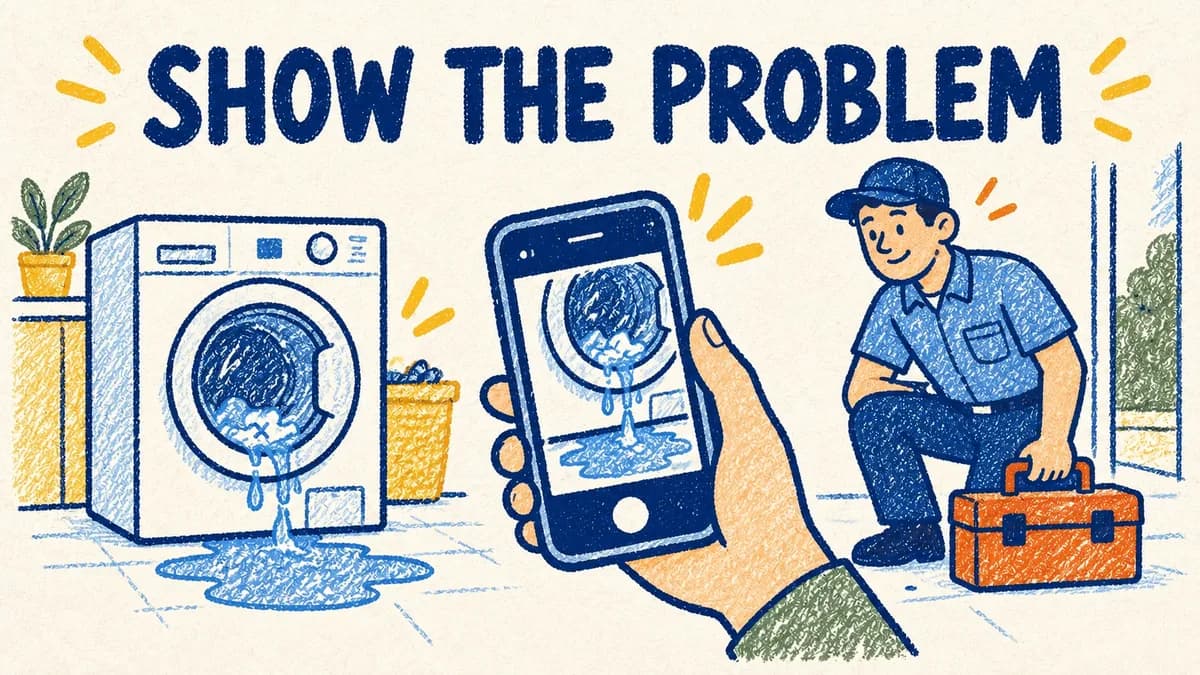
Imagine a Canadian repair business with an exact-match keyword for a specific appliance service. A direct request for that service and a long discussion about repairing versus replacing an appliance describe different stages of a decision. The new confirmation concerns direct-intent eligibility. It does not let us predict whether either invented example would trigger an ad, where it would appear, or what it would cost.
Google's ad-group prioritization guidance adds a measurement caution: in complex search experiences, a reported search term may approximate the user's intent. The displayed term is not always a literal transcript. A conversational-looking term therefore cannot, by itself, identify an AI Mode impression.
Ask the campaign owner for a dated account record
Start with the campaigns that already exist. Record their objective, geographic settings, match types, automation settings, destination URLs and conversion actions. Include the date and recent change history. You need that baseline to distinguish a platform experiment from a setting someone changed last week.
Then ask the operator which delivery evidence is actually available in the account. If a report cannot separate AI Mode from other Search delivery, write that limitation into the review. Do not invent a segment by renaming a keyword row. A screenshot of one placement establishes an observation at that moment, not the share of the month's budget spent there.
This review does not require enabling AI Max, switching to broad match or changing the budget. Those are separate interventions with their own reasons and approval. If the advertiser wants to test another configuration, document the proposed change, what stays fixed and the result that would justify retaining it.
More impressions would still leave a business question
An increase in campaign impressions after the announcement could have several explanations. Demand may have changed. A budget limit may have been removed. Bids, competitors, seasonality or another account setting may have shifted. Calendar proximity does not identify the cause.
Compare completed periods with the same scope, annotate account changes and review accepted enquiries. A local business should inspect whether contacts are inside its service area and asking for work it performs. A B2B firm should check whether several form fills are the same company exploring one purchase.
Keep paid delivery out of the organic GEO scorecard. A sponsored appearance and a linked source in an unpaid answer have different origins. Our AI visibility baseline methodology explains how to document answer observations without presenting one snapshot as a stable rank. It does not measure ad profitability.
The landing page is work you can control today
A visitor arriving after a detailed question needs a page that resolves the next uncertainty. For the repair example, that might mean supported appliance types, the actual service area, how an estimate is handled and how to request service. The page should make an unsuitable job easy to recognize before the form is submitted.
Check that the ad promise agrees with the visible page. Put qualifications beside the claim they limit. Test the form on a phone, with the business's approved consent choices, and confirm who will receive and answer it. None of this depends on winning access to a new placement.
MAXUOD can scope the landing-page structure and search-to-contact path with your campaign owner. The output should name the page, missing buyer answer, evidence needed and acceptance check. It should not promise an AI Mode position or imply we observed your private advertising data from a public website.
Revisit the decision when the evidence changes
A published country rollout, a new reporting dimension or verified account delivery would be a useful reason to reopen this review. Another screenshot without market or account context is less useful. Until then, preserve the campaign baseline and fix any known destination-page problem.
If you are considering an entirely new platform rather than supervising existing Google spend, the ChatGPT Ads readiness guide for Canada addresses that separate decision.
Checked September 8, 2026. No MAXUOD campaign test, performance lift or platform endorsement is claimed.
Related reading and sources
Read next on MAXUOD
Does the page answer the question behind the click?
Request a public-site audit to identify unclear offers, missing evidence or contact-path friction. Private ad-account analysis is a separate scope.