A Canadian business can now find Canada on OpenAI's self-service Ads Manager availability list. That makes ChatGPT advertising worth evaluating. It does not tell you whether your buyers will see the ads, whether your service area can be targeted precisely enough, or whether a campaign will pay for itself.
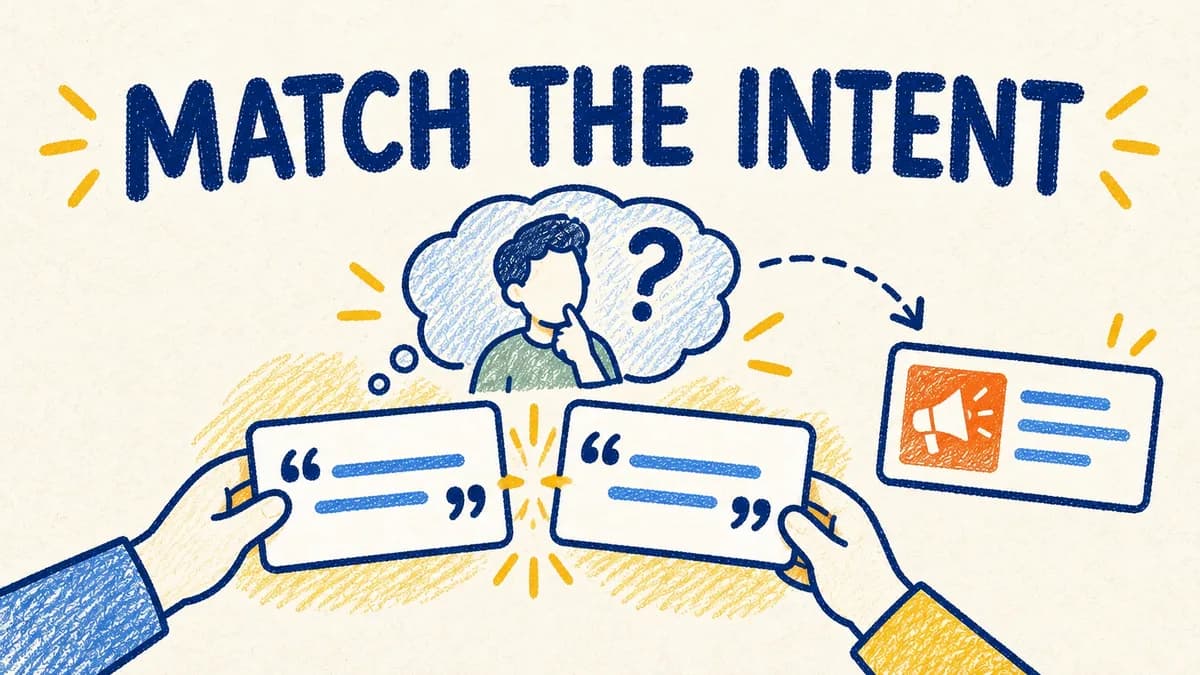
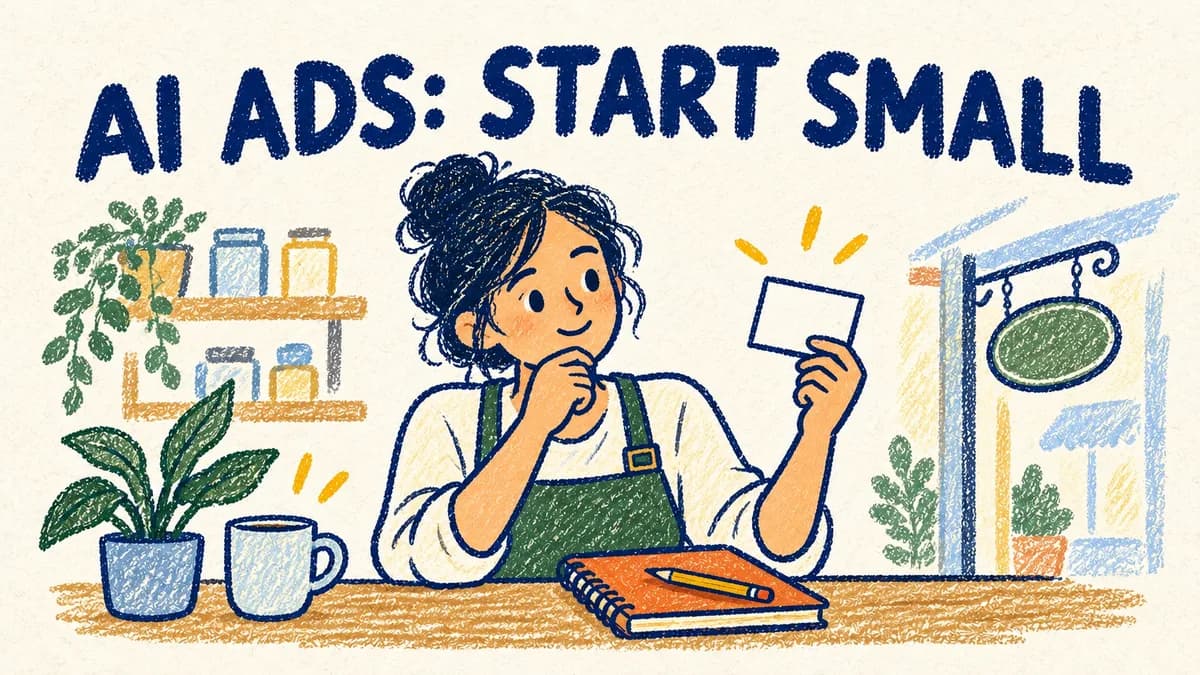
Our recommendation is to prepare a small test only when you can describe the offer clearly and follow an enquiry through to a useful business outcome. Buying an ad does not buy a recommendation inside ChatGPT's answer. If organic AI visibility is the goal, use the ChatGPT Search eligibility and content guide instead.
The expansion is real; the Canada answer needs its own source
OpenAI's August 18 announcement described expansion to 31 European markets. An August 31 update says self-service access is available across those markets. The same announcement describes conversion optimization, geographic targeting, custom audiences, the OpenAI Pixel and a Conversions API.
For Canada, use the current Ads Manager country table. It still lists Canada as available when checked on October 11, 2026, and requires the advertising and billing entity to be based in a supported country. That establishes self-service availability, not a Canada launch on August 31.
Keep a dated record of what your account actually offers before approving spend. Confirm billing currency, available objectives, geographic and language controls, category eligibility and the landing-page review process. A feature mentioned in an international announcement may have details that matter to your particular account. We have not opened or run a Canadian ad campaign for this article.
Your customers may use ChatGPT without seeing these ads
OpenAI's advertising help page says ads may appear on Free and Go plans, while Plus, Pro, Business, Enterprise and Edu are ad-free. It also says advertisers cannot alter the assistant's answers and do not receive users' private conversations. Sponsored placements are labelled separately.
That should change the audience question in a B2B brief. “Our customers use ChatGPT” is incomplete. A buyer using a company-provided paid workspace during procurement might be outside the ad-supported experience, while using a personal account at another time. Neither possibility establishes reach. Ask how the people you sell to research a purchase, then treat campaign delivery as something to observe.
For a local service, verify whether the available controls match the area you can serve. Putting a city name in copy may explain your offer; it is not evidence that the platform will restrict delivery to that city. For a bilingual offer, make sure the ad, destination page and human response can support the language promised.
Use this readiness check before deciding the budget
| Question | Ready to consider a test | Pause when |
|---|---|---|
| Can we serve the audience? | The account's delivery controls fit the actual market and language. | You need a narrow service area but cannot confirm suitable controls. |
| What are we offering? | One useful next step has a matching landing page. | The ad leads to a homepage that leaves buyers guessing. |
| Can we observe the result? | Permitted tracking and the contact destination have passed a marked test. | A form event appears, but nobody knows whether the message arrived. |
| What can we afford to learn? | An owner approves a loss limit and a review date. | The test would consume money needed by a working channel or by lead follow-up. |
There is no sensible universal “small-business test budget” in this article. A national software trial and a single-location service have different margins, sales cycles and acceptable losses. Agree on the amount the business can lose while learning, in the billing currency shown by the platform. Do not convert a platform's revenue announcement into a forecast for your company.
Give the click somewhere useful to land
Consider a hypothetical scheduling-software company serving independent Canadian restaurants. Its offer is a product walkthrough for managers who struggle with shift changes. Sending every visitor to “the future of workforce management” would leave important questions unanswered.
A better destination would show how a manager changes a shift, what employees need to do, which devices are supported, what onboarding involves and what the product does not handle. If it prepares payroll exports but does not run payroll, say so before asking for contact details. An accurate limitation can prevent the wrong enquiry.
This is a planning example, not a campaign result. The ad and page would still need review. Our search-led website planning guide covers how to give an existing service or product page that job without creating a duplicate page for every channel.
Measure the path after the ad, not just the platform total
Before launch, agree on campaign labels that distinguish paid traffic from other ChatGPT referrals. Record the reporting window and timezone. Test the website's consent behaviour, the intended events and the actual form destination with an explicitly marked internal submission. Do not send names, emails or message contents as analytics parameters.
Report spend, clicks, measurable landing visits, received enquiries and manually qualified opportunities separately. Add the reasons enquiries were rejected: outside the service area, unsuitable company size, wrong product expectation or another identifiable mismatch. That feedback is more useful for the next offer revision than a larger form-submission total.
OpenAI now describes measurement beyond clicks through its Pixel and Conversions API. Those are available implementation paths, not a reason to bypass your approved privacy setup or send every customer field. Have the implementation owner verify the current specification, consent requirements and event handling before enabling either.
Keep attribution modest. A campaign credited with an opportunity helped identify a path; that record alone does not establish what would have happened without the ad. If the test produces too little evidence to judge lead quality, report it as inconclusive. Increasing the budget is a new decision, not an automatic response to uncertainty.
Where MAXUOD can help before a campaign starts
MAXUOD's useful starting point is the destination: whether a buyer can understand the offer, verify its claims and complete the next step. We can scope landing-page, SEO/GEO and measurement work with your campaign owner. We would ask for one offer, the target market, the intended action and the evidence needed to accept the test.
Public-site review cannot prove private ad-account readiness or Analytics receipt. Those checks require separately agreed access. If your current reports already disagree, resolve the GSC and GA4 measurement questions before adding another acquisition source.
Sources checked September 8, 2026. This is a readiness guide, not a hands-on campaign review or a promise of returns. No platform endorsement is implied.
Related reading and sources
Read next on MAXUOD
Would a new visitor understand your offer?
Start with a public-site SEO and GEO audit. We can identify page and contact-path questions before you scope a separate paid-channel test.