ChatGPT Traffic Down in GA4? Check the October Attribution Gap

Missing ChatGPT link tags were reported in October. Document the possible attribution gap, check consistent GA4 data and keep real business declines in view.
Guides, research and project notes for businesses reaching customers in Canada and the US. Find help with a website problem, understand a search update, or see how we approach the work.
Our free SEO Writer can suggest topics from your website and help draft one. These guides explain how to choose a topic, check the article and follow its search performance.
We reviewed how a logistics business appeared in search, what its website was telling buyers and which fixes should come first. The company and competitors stay unnamed.


Missing ChatGPT link tags were reported in October. Document the possible attribution gap, check consistent GA4 data and keep real business declines in view.

Give a writer the buyer question and approved facts—not the private conversation. A worked example shows what to keep, verify and leave out.

We reviewed a vending-equipment website for US buyers and found product questions to settle before adding more content. Here is what we would fix first, and why.

Google Search Live brings voice and camera context to AI Mode. See what Canadian local businesses should verify on existing pages, profiles and visual evidence.

Canada has self-service ChatGPT Ads access. Check audience fit, landing pages, consent and lead measurement before committing a small-business budget.

Google confirmed a limited AI Mode ad experiment. See what exact and phrase match eligibility means, what remains unknown, and what to ask your campaign owner.

Use Perplexity Projects and connected research to prepare a reviewable campaign brief. Keep private context, public GEO visibility and publishing separate.

Google clicks and GA4 sessions disagree? Check report scope, consent, test traffic and page-view tracking before changing your SEO strategy.

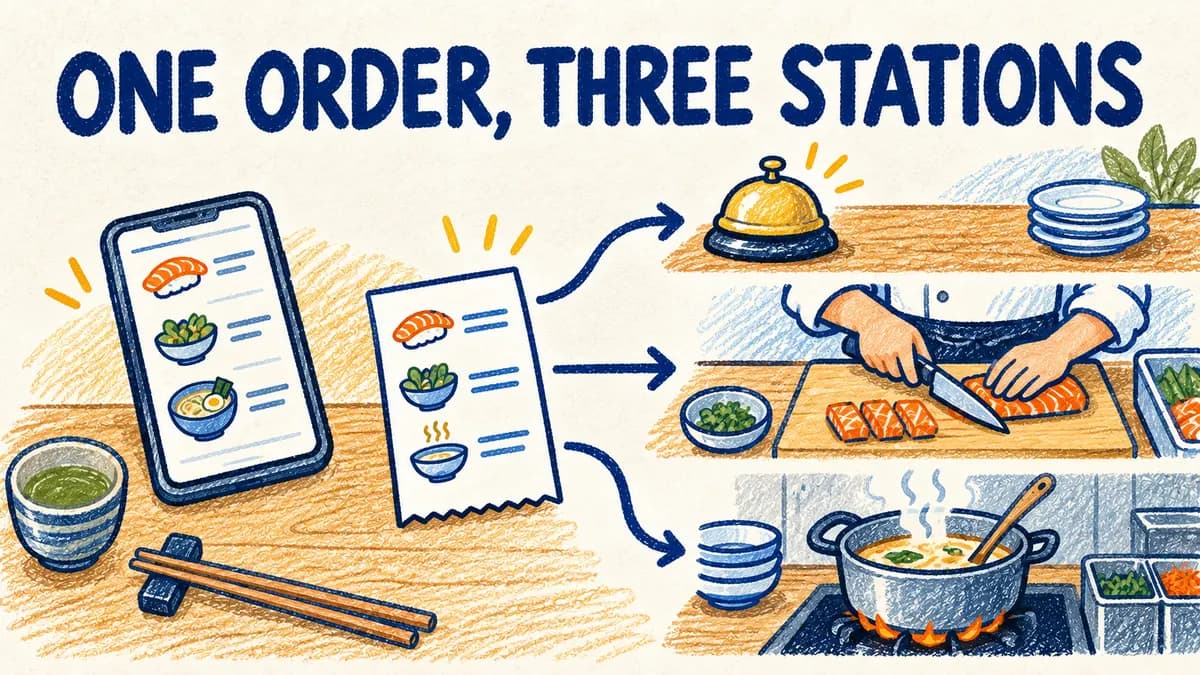
See how MAXUOD designed a mobile-first ordering experience, touch-first staff workflow, and staged restaurant operations system for JUKAI in West Bedford.

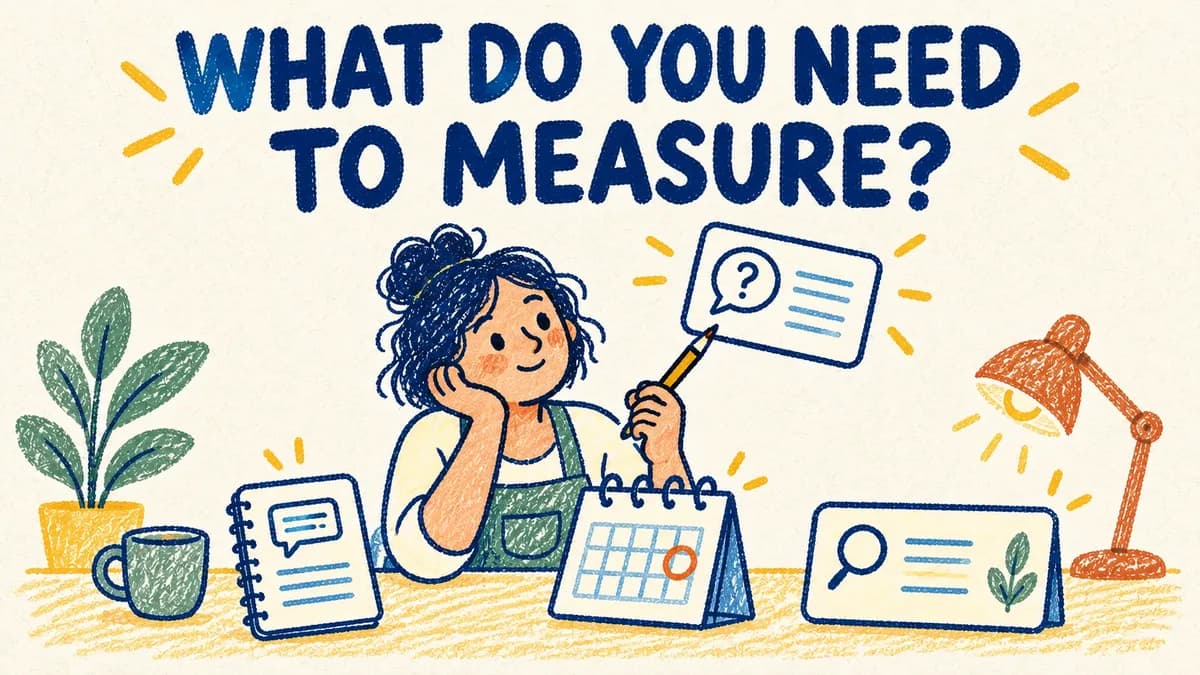
A practical method for Canadian SMBs to measure AI visibility by market, language, mentions, citations, referrals, and outcomes without inventing an AI rank.

Google’s August spam update, JSON-LD parsing, Search Console data gaps, and Chrome unload changes—plus what Canadian SMBs should do next.

Google expanded generated interfaces and publisher preference controls while AI-search measurement showed fresh limits. Here is what Canadian businesses should change—and what they should not claim.

Google Search can generate calculators, simulations, quizzes, and files inside AI answers. Use this decision framework to keep, deepen, or retire an SMB free tool without mistaking a platform launch for a traffic forecast.

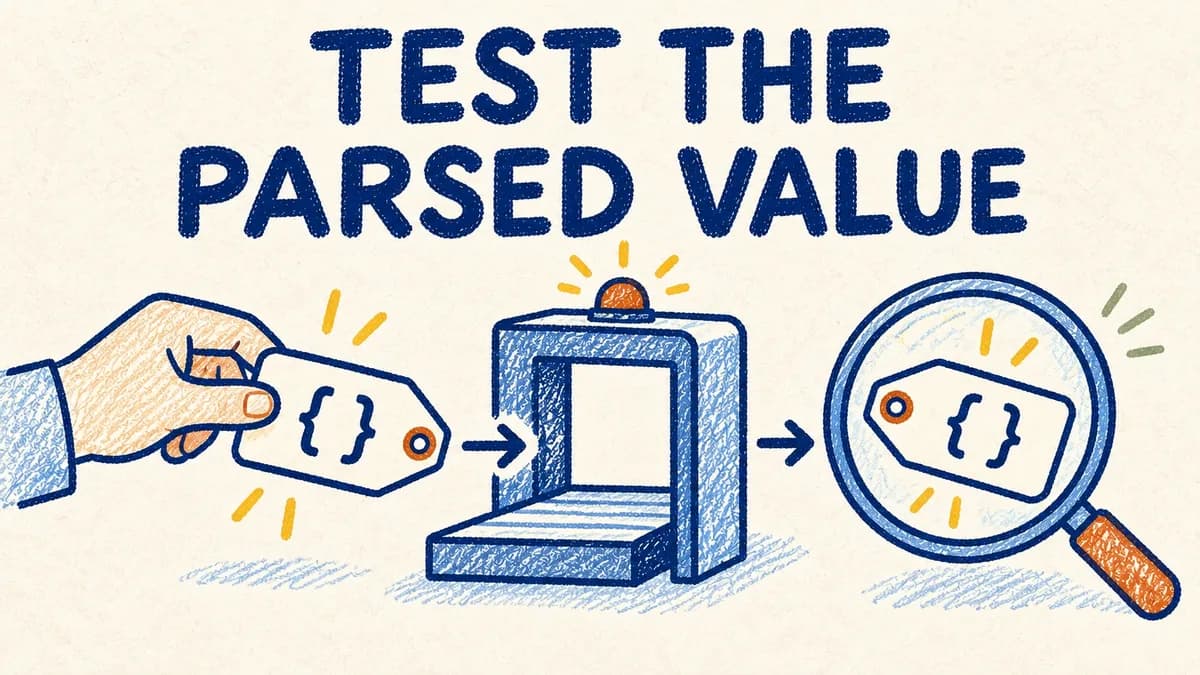
Google now applies one HTML-unescape pass when extracting JSON-LD. Learn how to find double-escaped values, repair the serializer, and verify live structured data without calling it a ranking update.

An owned-product case documenting a Canada-focused SEO/GEO sprint alongside a cumulative Google Search milestone—not 10,000 impressions earned in one month.

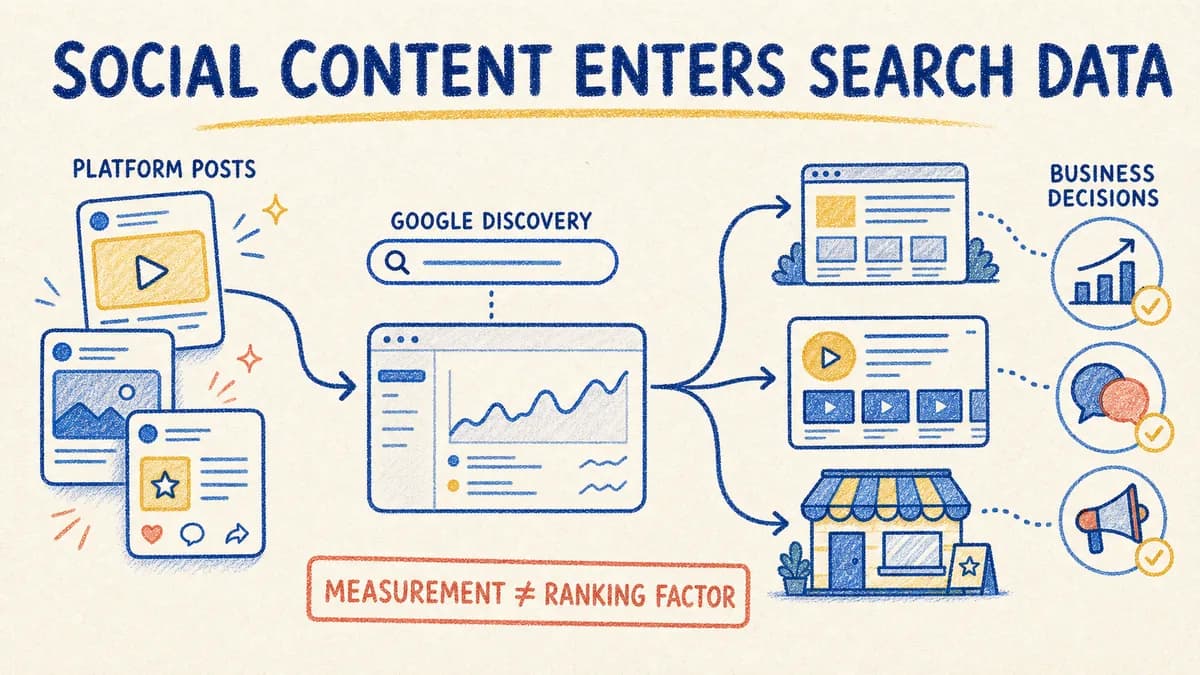
Google can now measure Instagram, TikTok, X, and YouTube posts in Search Console. What changes for SEO planning, and what the release does not prove.

Learn how to separate field and lab data, diagnose LCP, INP, and CLS, assign the right fix, and verify website performance without treating a green score as a ranking guarantee.

Use an AI SEO writer without publishing generic content. Start with your website, choose one page owner, review the draft, and measure one useful release.

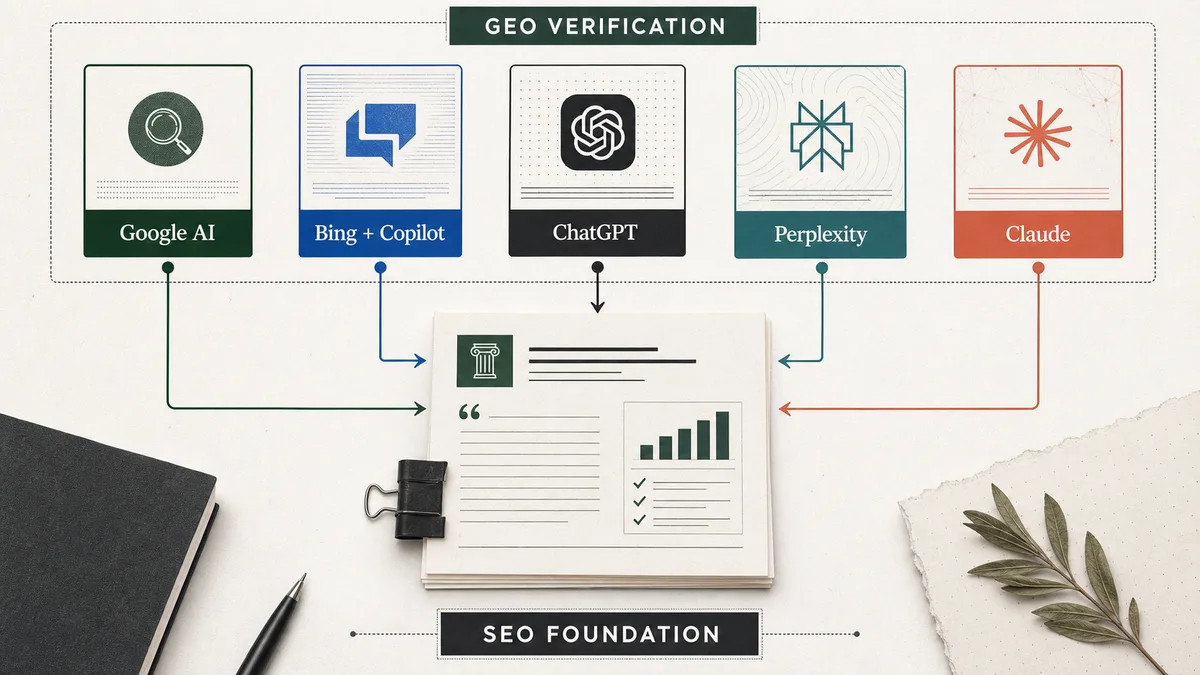
GEO does not require five platform-specific articles. It adds source, extraction, entity, and verification work to a strong SEO brief across Google, Bing, ChatGPT, Perplexity, and Claude.

Generative Engine Optimization helps AI search systems retrieve, interpret, and cite useful business information. This Canadian SMB guide separates durable GEO work from shortcuts and shows what to measure.

A Canadian small-business field guide to accurate profiles, service-area pages, genuine reviews, useful directories, bilingual-market decisions, and local measurement.

Google and Bing are not an either-or SEO decision. Build one strong website, then verify discovery, local facts, AI visibility, and measurement in both ecosystems.

A practical guide to choosing AI search visibility tools, separating platform claims from site evidence, and knowing when paid prompt tracking is justified for a small business.

A practical diagnosis for service businesses that get website visits but few useful enquiries, covering traffic quality, search intent, page clarity, trust, contact friction, and measurement.

A practical 90-day Halifax SEO delivery model built around a baseline, page decisions, implemented releases, verification, measurement notes, and a clear next scope.

A buyer-focused guide to comparing Halifax SEO companies by discovery work, implementation ownership, proof, reporting, contract fit, and claim boundaries.

A Halifax-focused diagnostic guide for separating Business Profile, Google Maps, website indexing, local relevance, and branded-search problems before making changes.

A decision-ready SEO reporting framework for small businesses across website, local, AI, and social-video Search visibility, shipped changes, and qualified enquiries.

A practical technical SEO audit for small-business websites covering crawl discovery, index controls, canonicals, rendering, Core Web Vitals, structured data, AI-search access, and release verification.

A practical method for grouping keyword families, assigning one page owner per intent, building useful supporting articles, strengthening internal discovery, and measuring topical coverage without publishing duplicate pages.

Check AI-search eligibility, page clarity, business-fact consistency and measurement. Use a short triage to choose the next check—not to claim a complete baseline.

A practical lifecycle for connecting web design with ongoing SEO, GEO, conversion, local visibility, and measurement across Atlantic Canada without forcing every business into a monthly retainer.

Learn how local keywords connect a service, a real coverage area, and customer intent for Halifax and Nova Scotia businesses that depend on nearby customers.

Help your site appear in ChatGPT Search by allowing OAI-SearchBot, improving source-backed pages, clarifying local business facts, and tracking referrals.

A practical guide to aligning Google Business Profile, service-area pages, reviews, public business facts, and measurement for Halifax and HRM customers.

A practical guide to deciding when a spreadsheet is enough, when scheduling software earns its place, and how Canadian small teams can improve coverage, labour review, shift changes, and payroll handoff.

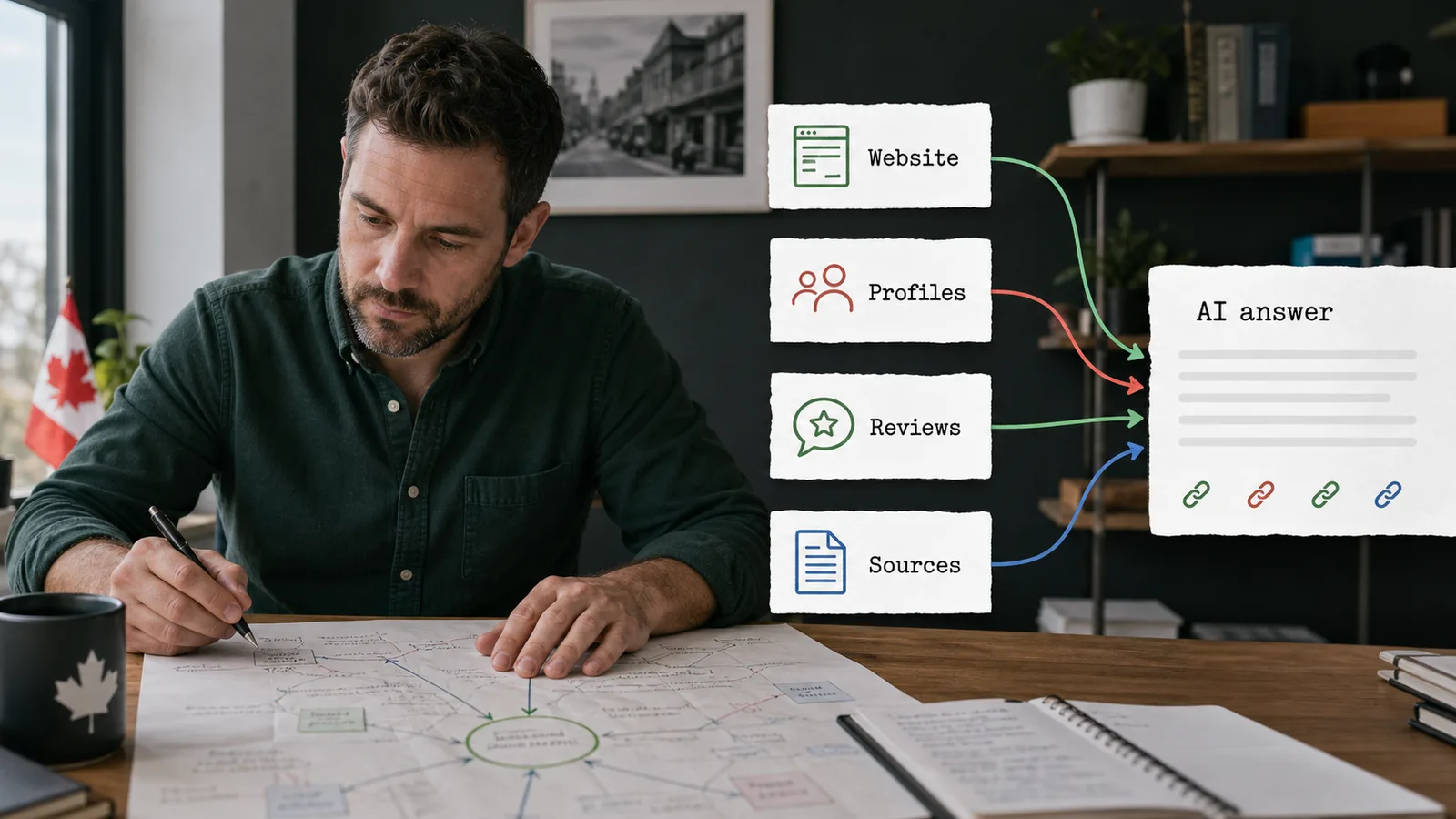
When your website, Google Business Profile, LinkedIn, directories, and schema disagree, build one canonical business packet and fix the highest-risk conflicts.

Backlinks help search engines discover and understand pages, but raw link counts hide the decisions that matter. Learn how to judge source relevance, anchor context, link attributes, risk, and business value.

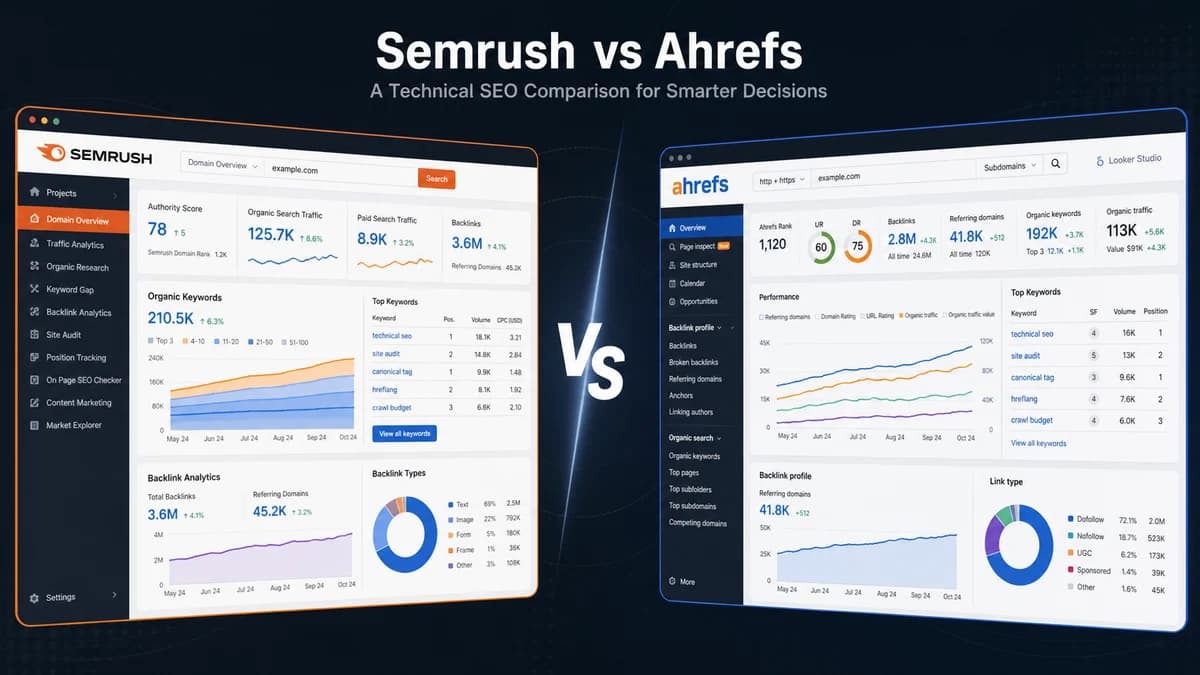
Semrush and Ahrefs both cover keyword research, competitors, audits, backlinks, rank tracking, and AI search visibility. The better choice depends on the decisions your business needs to make each week.

Summer changes search demand, travel patterns, staffing, and buying urgency. Here is how Canadian SMBs can plan offers, local search, ads, and measurement.

Use and download a practical Halifax local search visibility checksheet covering website, indexing, service pages, profiles, reviews, directories, AI answers, conversion, and change tracking.

A Semrush and Kevin Indig study found ChatGPT's higher reasoning mode cites a different source set. SMBs should test prompts by journey stage, not one snapshot.

Bing added Intents, Topics, Citation Share, and Compare to AI Performance. Learn how Canadian SMBs should turn those signals into page fixes.

Google's June 2026 spam update ran June 24-26. Learn what Canadian SMBs should check before rewriting pages, deleting content, or blaming AI search.

Ranking on Google still matters, but AI answers pull from wider sources. Learn how Canadian SMBs can audit the gap between SEO rankings and AI visibility.

Use Google's Search generative AI inclusion control deliberately. Compare content value, discovery and evidence before excluding Canadian service pages or paid resources.

A vendor study reports lower demand for SEO-topic searches. Here is how to compare that signal with your own buyers, pages and enquiry data before changing the budget.

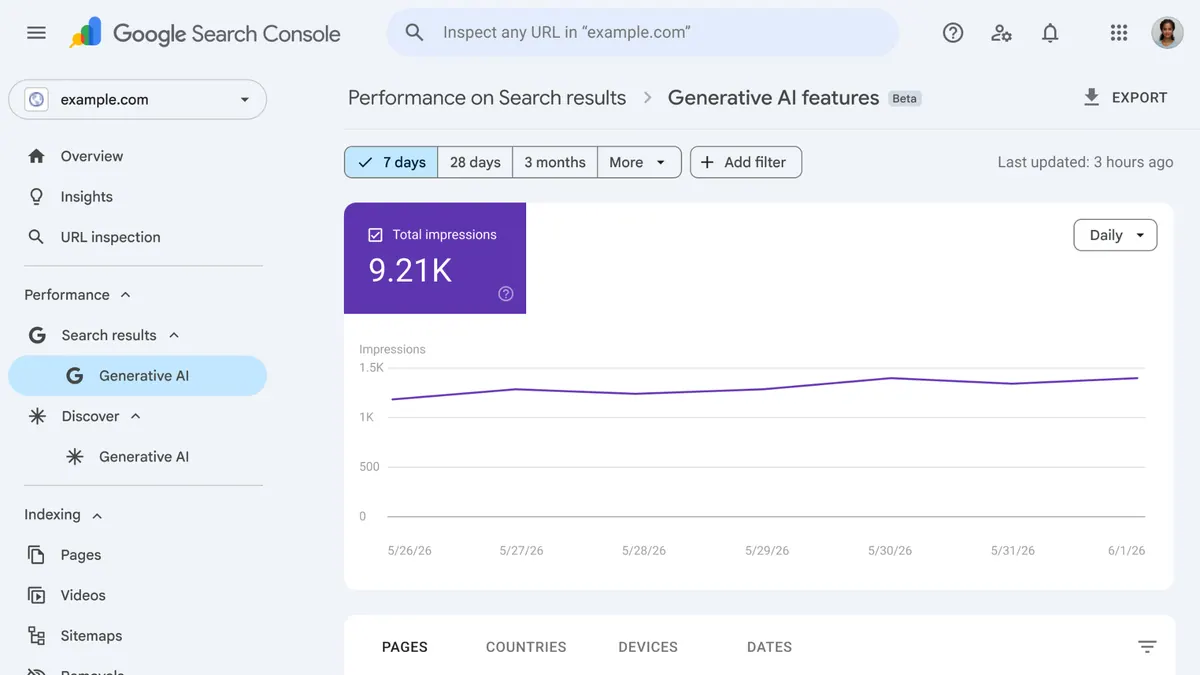
Google’s Generative AI report is now available worldwide. Learn what an AI impression means, why it is not a citation rank, and how to use the data without double counting.

A practical 30-day AI search optimization checklist for Canadian SMBs: what to measure, which pages to fix, how to use Google and Bing data, and what not to overreact to.

Use Bing AI Performance and IndexNow to track Microsoft AI citations, review cited pages, fix service-page gaps, and avoid misleading vanity metrics.

What Canadian SMBs should monitor after Google's May 2026 core update, from AI Search changes to service-page clarity, trust signals, and Search Console checks.

Choose a GEO agency by the questions it tests, the changes it agrees to make and the evidence it returns. A dashboard or AI mention alone is not completed service work.

How Canadian SMBs should handle Google's FAQ rich-results removal, including visible FAQs, FAQPage schema, reporting changes, and AI search context.

Build a service page around the buyer's decision: approved scope, proof, coverage, contact requirements and a working path—without schema or ranking promises.

Choose Webflow, WordPress, or Next.js by publishing workflow, technical ownership, maintenance capacity, SEO control, and migration risk.

Decide whether a repeated workflow needs a process change, existing SaaS, an integration or custom software. Scope one handoff, its owner and a realistic test.

Choose relevant sources, improve the page worth linking to, make a specific pitch and verify live placements without geographic quotas or ranking promises.

Use a customer-to-page map to approve service answers, contact routes and launch checks before design locks in. A focused ad test need not wait for organic rankings.

Check eligibility and ownership before editing a profile, then approve the operating model, services, coverage, reviews and customer contact route.

Test whether the homepage opening explains the real offer and routes a buyer to the right page. The first 100 words are an editing exercise, not an SEO rule.

Turn buyer questions, search evidence and Canadian coverage into one practical page decision. Keep generated ideas, estimates and observed demand separate.