A ranking update, a parser change, a reporting error and a browser deadline need different owners. In the week of August 18–24, Google completed a spam rollout, clarified JSON-LD extraction, and restored missing AI-report data while Chrome approached its next page-lifecycle milestone. The practical question was which system needed a check—not whether every page needed a rewrite.
This is the first MAXUOD SEO Weekly, covering August 18–24, 2026. It turns the daily intelligence archive into a short operating brief for Canadian small businesses and the people who maintain their websites. The goal is not to collect headlines. It is to identify what changed, what evidence is still missing, and which owner should act.
Research note: Five dates in this window were reviewed and archived during the operating cycle. The August 19 and 20 records were reconstructed on August 25 from dated public sources. They do not recreate unavailable account state, private dashboards, or social feeds that could not be verified later.
The week in one decision table
| Signal | What is verified | What is not verified | Practical response |
|---|---|---|---|
| August 2026 spam update | Google says the global, all-language rollout ran from August 18 to 21. | No new spam policy, affected industry list, or MAXUOD property impact was published. | Annotate the window, then compare stable page and query cohorts before changing content. |
| JSON-LD extraction | Google said its extractor now applies one HTML-unescape pass. | This was not announced as a ranking factor or rich-result guarantee. | Test the live JSON-LD value and repair the serializer if it depends on double escaping. |
| Search Console reporting | Google documented a Generative AI impression logging error for August 13–17. A separate Crawl Stats gap was independently observed and later appeared restored. | A reporting gap does not prove lost crawling, indexing, visibility, or traffic. | Keep report availability separate from server activity and business outcomes. |
| Chrome page lifecycle | Chrome scheduled a broader unload deprecation stage for August 25. | The schedule is not a Google Search ranking update, and planned coverage is not proof of a specific visitor’s browser behaviour. | Replace fragile exit logic and verify form, consent, and analytics delivery. |
Google’s spam update is a measurement window, not a diagnosis
Google’s Search Status Dashboard records the August 2026 spam update as starting on August 18 and completing on August 21. The incident applies globally and across languages. Google did not attach a new policy definition, target pattern, recovery timetable, or list of affected sectors.
That limits what a responsible site owner can conclude. A ranking change during the same week may be related, unrelated, or partly obscured by reporting noise. The first useful response is to annotate the dates and compare the same important URLs, query families, countries, and device segments before and after the rollout. A single screenshot, a sitewide average, or a community anecdote is not enough.
If a page fell, review whether it still owns a real customer decision, whether its claims are supported, whether another URL now competes for the same intent, and whether a technical release changed access or rendering. If nothing material moved, continue observing. An update name is not a repair instruction.
JSON-LD now needs the delivered value, not the CMS preview
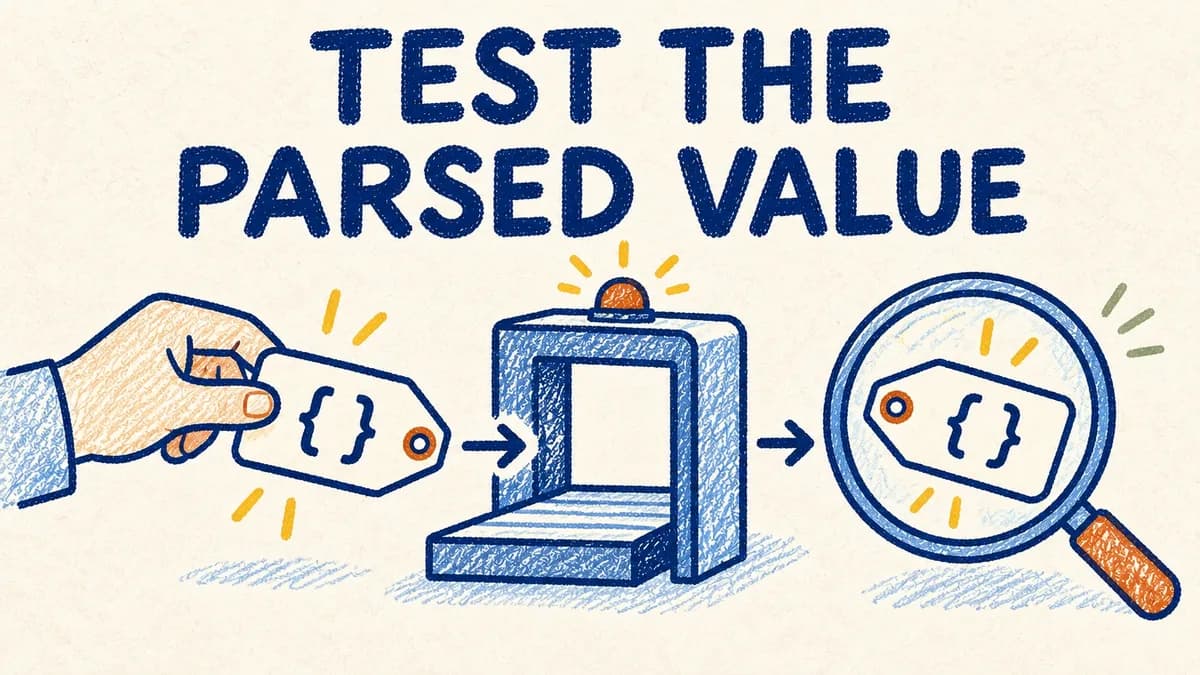
On August 21, Google Search Central said JSON-LD extraction would perform one pass of HTML unescaping. A value such as a double-escaped ampersand can therefore remain incorrectly encoded instead of being repeatedly cleaned up by the parser.
The correct test unit is the live application/ld+json block. Parse it as JSON, inspect the values Google is expected to consume, and compare them with the visible page facts. If the value is wrong, fix the template, plugin, or serialization layer that produced it. Manually replacing one entity on one page leaves the generator broken.
This change concerns extraction correctness. Valid JSON-LD can help a search system understand eligible structured information, but it does not guarantee a rich result, ranking improvement, AI citation, or enquiry. MAXUOD has a separate live-output testing guide for the implementation details.
Two Search Console gaps demonstrate the same discipline
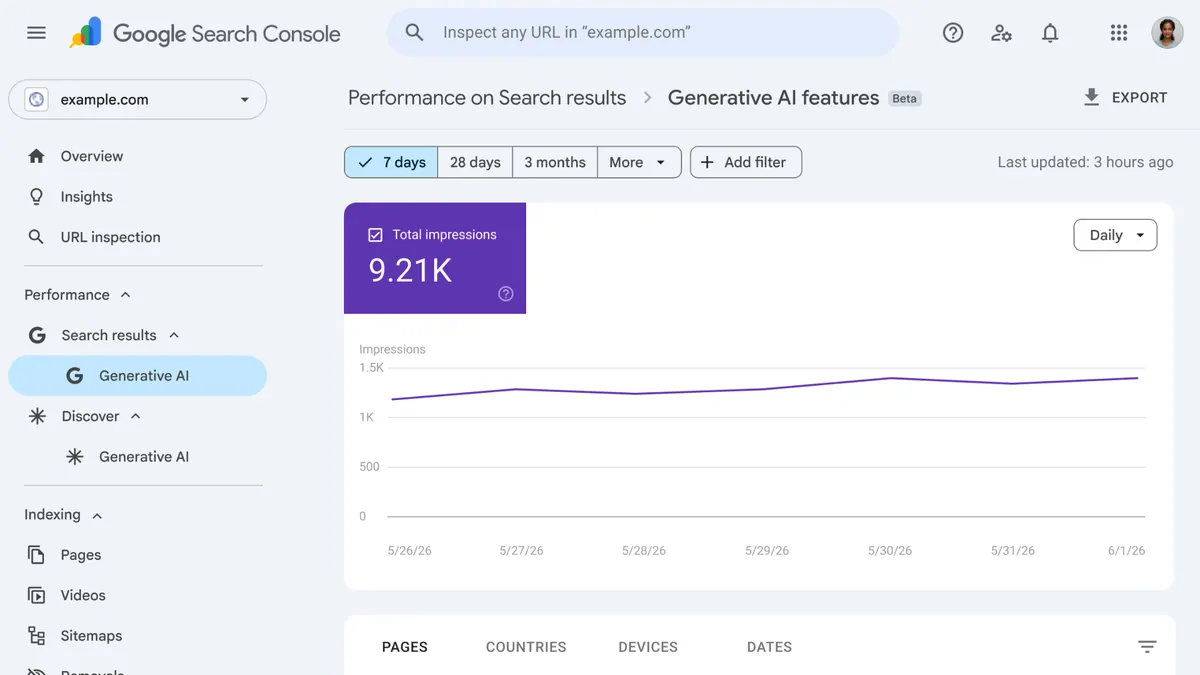
Google’s data-anomalies record identifies a Generative AI in Search impression logging error for August 13–17 and says the missing data was restored on August 21. The separate August 15–16 Crawl Stats gap remains a multi-user observation, not an official crawler incident.
These are not interchangeable signals. The first is an official measurement caveat for a named report. The second is a multi-user observation about another report. A missing report row is not server-log evidence. Neither signal establishes what Googlebot requested from a particular server, what was indexed, what an AI answer displayed, or whether a customer visited.
When a report goes blank, preserve the distinction:
- Report availability: did the interface or export contain the row?
- Observed system activity: do server logs, URL Inspection, or another first-party record show activity?
- Search outcome: did stable pages or query cohorts change?
- Business outcome: did qualified enquiries or sales change?
For a small-business measurement stack, connect this reporting check to the existing Search Console Generative AI guide and the AI visibility tools decision guide. Those pages own the evergreen measurement intent; this weekly report records the dated operating change.
Chrome’s unload deadline belongs to release QA
Chrome’s published deprecation plan scheduled the next major reduction in default unload support for August 25. This matters when a site depends on exit handlers for saving state, analytics, consent, or form delivery. It can also affect back/forward cache behaviour.
It does not belong in a ranking-update narrative. The useful work is to locate unload listeners, move appropriate state-saving logic to supported lifecycle events, and test the real customer path in a current browser. A tag firing in preview mode does not prove the event reached Analytics, the form endpoint, or the CRM.
What MAXUOD would do this week
For a Canadian SMB, we would keep the response deliberately small:
- Annotate: record the spam-update dates and reporting anomalies beside the affected reports.
- Inspect: validate live JSON-LD on revenue-adjacent templates, not every URL indiscriminately.
- Verify: test one complete consent, form, and analytics path in a current Chrome build.
- Observe: compare stable page/query cohorts after enough post-rollout data exists.
The MAXUOD contribution is the evidence card behind each action: event date, affected surface, page owner, observed result, unknowns, decision, and recheck date. That keeps an official update, a parser defect, a report anomaly, and a conversion failure from being compressed into one vague “SEO issue.”
What we are not changing because of this week
The event alone did not justify a sitewide rewrite. A reproduced encoding defect belonged to the serializer owner; a blank report needed a reporting check; a failed form or analytics path needed release QA. Each could be repaired without inventing an algorithm explanation.
The week’s durable lesson is procedural: classify the system before choosing the fix. Rankings, parsers, reporting interfaces, browsers, and conversion endpoints can fail independently. Good SEO operations preserve that separation long enough to find the actual owner.
Platform note: Sources were rechecked on August 25, 2026. Platform schedules, interfaces, and documentation may change. This briefing is educational and does not promise rankings, traffic, rich results, leads, or a particular outcome.
Related reading and sources
Read next on MAXUOD
External references
Need the week’s signals mapped to your own website?
MAXUOD can separate platform events, technical defects, reporting gaps, and conversion failures, then turn the first verified issue into a controlled release.