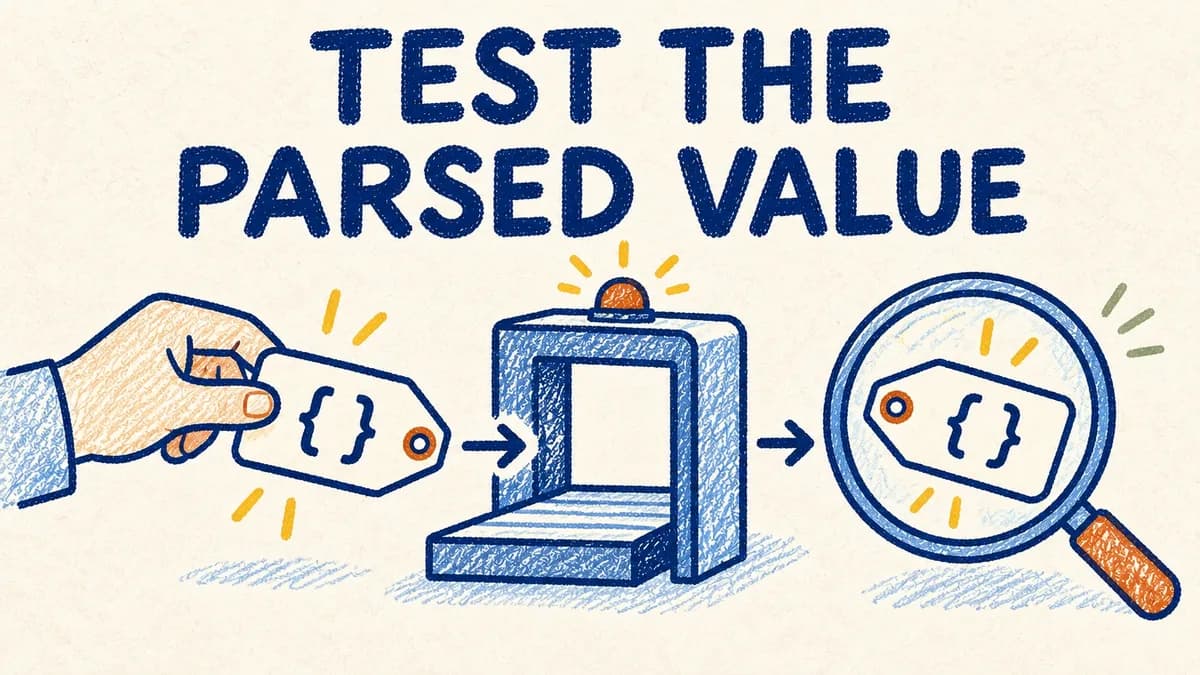
Google's June 2026 spam update is a reason to check compliance, not a reason to panic-rewrite a good website. Google's Search Status Dashboard says the update began on June 24, 2026 at 9:00 Pacific and completed on June 26, 2026 at 10:00 Pacific. It applied globally and to all languages. For Canadian SMBs, the right response is a calm spam-risk audit followed by normal performance monitoring.
A spam update is not the same as a core update. Core updates reassess broad quality and relevance signals. Spam updates improve systems that detect policy-violating behaviour. If a small business has clean service pages, real contact paths, original copy, consistent local facts, and no manipulative tactics, the default move is to watch Search Console windows before making major changes.
What to check first
| Area | Risk to check | Good SMB response |
|---|---|---|
| Scaled content | Many low-value pages created to target every query variation. | Review the page's task and replacement path. Improve useful content; consolidate true duplicates with a destination and redirect plan. Noindex is a deliberate visibility decision, not a default cleanup. |
| AI search manipulation | Pages or off-site tactics designed mainly to manipulate generative AI answers. | Replace tricks with useful, verifiable content and real public-source consistency. |
| Back button hijacking | Scripts or flows that trap users when they try to return to Search results. | Remove the behaviour; Google began enforcing this policy on June 15, 2026. |
| Thin doorway pages | Near-duplicate location or service pages with little unique value. | Keep only pages with real service-area proof, local details, and conversion value. |
| Paid or fake mentions | Low-quality placements sold as GEO brand mentions. | Prioritize credible, relevant references over volume-based mention schemes. |
How to read your data
Use the rollout window correctly. Compare Search Console data before and after June 24-26, but do not judge on one or two days of noise. Segment by page type: homepage, service pages, local pages, blog posts, and lead pages. Check whether movement is isolated to questionable content or spread across the site.
- Check manual actions and security issues. If Google has flagged a specific issue, fix that before doing broad content work.
- Review pages that lost impressions. Look for thin, duplicated, outdated, or manipulative content patterns.
- Review pages that gained impressions. Inspect their query and page mix before editing; more impressions do not measure Google's trust in the business.
- Separate spam risk from AI visibility shifts. A drop in clicks may come from AI Overviews or demand changes, not necessarily spam enforcement.
- Annotate the update. Mark June 24 and June 26 in your KPI ledger so future reporting does not confuse update timing with your own edits.
What not to do
Do not delete half the blog because rankings moved for a few days. Do not blame every decline on AI search. Do not create new "AI-optimized" pages for every fan-out query. Google's generative AI optimization guide says foundational SEO still matters and warns against overdoing query variations primarily to manipulate rankings or generative AI responses.
Also be careful with vendor pitches. A spam update plus AI-search anxiety is a perfect moment for bad advice: fake brand mentions, low-quality paid placements, doorway location pages, and bulk AI content packages. Those tactics may create activity, but they make the business less trustworthy to search engines, AI systems, and buyers.
The calm recovery plan
If the site appears affected, build a short evidence file before editing. List affected URLs, query groups, page purpose, last edit date, content quality concerns, technical status, internal links, and business value. If that evidence is difficult to separate, a free SEO and GEO audit can organize the priority URLs and checks before pages are changed. Then decide: improve, consolidate, redirect, noindex, or leave alone. Recovery from spam-related problems can take time, so the fix should be substantive rather than cosmetic.
Finish the review with one supported decision. Repair a policy violation or a broken customer path when you find it. Improve a page when the reader's unanswered question is clear. Leave useful pages alone when the only evidence is an update date. The June rollout provides a comparison window; it does not supply the cause of every later decline.
Buyer questions
Was the June 2026 spam update a core update?
No. Google listed it as a spam update affecting ranking systems globally and across all languages. It ran from June 24 to June 26, 2026.
Should I rewrite pages immediately after a spam update?
Fix a clear policy violation, false claim or technical failure when it is found. For unexplained ranking movement, compare stable page/query cohorts and inspect manual actions and releases before a broad rewrite. A sustained decline does not by itself prove a spam violation.
Does AI-generated content automatically violate Google spam policies?
No. The issue is whether content is helpful, reliable, people-first, and compliant with spam policies. Bulk low-value content created to manipulate rankings or AI responses is the risk.
Can fake GEO brand mentions create spam risk?
They can create quality, reputation, and policy risk. Prioritize credible, relevant, real references over paid or low-quality mention schemes.
Related reading and sources
Read next on MAXUOD
External references
Need a post-update read before changing pages?
MAXUOD can review Search Console movement, spam-risk patterns, AI visibility signals, and service-page quality before you rewrite or remove content.